Restaurant guides for Korea · since 2023

Where to eat in Korea, and how to order once you get there

We write restaurant, café and short-trip guides for people visiting Korea. Every place comes with its Korean name, address, opening hours, break time and closing day, so you can paste it into a map app or show it to a taxi driver.

Start with these

Six guides we would send a friend first: the ones with the most first-hand detail, prices and photos.

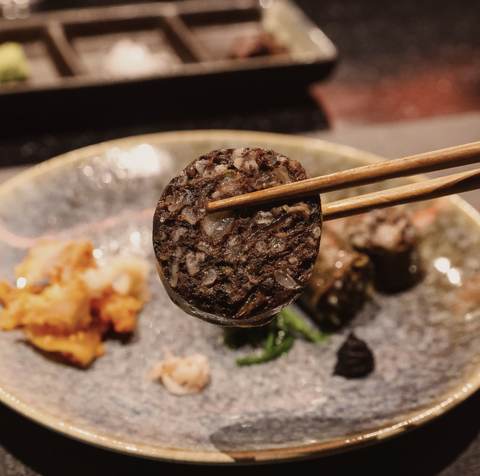
Chef Choi Ji-hyung’s Michelin Guide Restaurant, Lee Buk Bang

North Korean cooking from chef Choi Ji-hyung, known from Netflix's Black and White Chef. Jessie goes through the set course (weekday lunch ₩50,000) dish by dish, from the sundae that made the restaurant's name to the rice pot, and explains how to book on CatchTable.

Jessie•

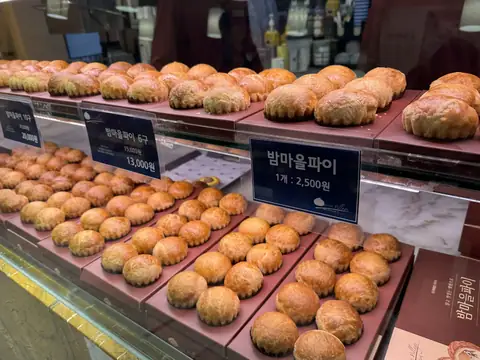
Heaven of Chestnut Desserts: Gongju Bakery Bam-maeul

Gongju grows some of Korea's best-known chestnuts, and this bakery facing Gongsanseong fortress puts them in pies (₩2,500), éclairs, tarts and yanggaeng. Prices for every item and 16 photos from the visit.

Jessie•

Seoul Restaurants Tour: Hidden gems in Euljiro

Five places in Seoul's old printing district, from charcoal-grilled blowfish at Cheolcheol Bokjip to Jeju-style pork belly in Inhyeon Market. Address, phone number and break time for each.

Alex•

Gyeongju's Best 7 Local Eateries

Where people in the old Silla capital actually eat: jokbal braised in an iron cauldron, buckwheat makguksu near Bunhwangsa Temple, octopus-and-pork jjamppong and squid bulgogi.

Alex•

6 of the best local restaurants in Jeju Island

Six Jeju restaurants where locals queue, including reservation-only Nansanri Restaurant (lunch course ₩35,000) and DooRooDooRoo near the airport for a last meal before your flight.

Jessie•

Black and White Chef: eating the show's food

Netflix's Culinary Class Wars (흑백요리사, “Black and White Chef”) put 80 little-known “black spoon” cooks up against 20 established “white spoon” chefs when it aired in autumn 2024. Ever since, the contestants' restaurants have been some of the hardest tables to book in Seoul.

Jessie has been working through them: what each chef is known for, which dishes to order, set-course prices, and how reservations work. Start with Lee Buk Bang above, then try the list on the right.

Browse by region

Most of what we write is about Seoul, but some of our favourite guides are a train ride away.

Seoul

Euljiro mixes 1970s print shops with pubs and blowfish restaurants. Mullae is a steelworks district where machine shops share alleys with cafés. Gangnam is where offices go for group dinners, and the Hamhung-style cold noodle houses in Ojang-dong are worth a detour in summer.

Jeju

Jeju has its own food vocabulary: black pork, bomal (sea snail) kalguksu, seafood stews and tangerine everything. Restaurants are spread around the island, so most visitors rent a car; Hamdeok on the northeast coast makes an easy base.

Around Seoul (Gyeonggi and Incheon)

Day trips: barley-rice set meals in Yeoju, riverside restaurants in Gapyeong, galbi in Pocheon, tofu houses inside Namhansanseong fortress and seaside cafés on Yeongjongdo near Incheon Airport.

Before you go: how eating out works in Korea

The questions readers ask us most, answered in short. The full guide has more detail and a phrase list.

Check the break time

Many restaurants close between lunch and dinner, usually somewhere between 3 and 5 pm, and smaller places often close one day a week. Our guides list both, but hours change, so check the restaurant's map listing on the day.

Use a Korean map app

Most people in Korea navigate with Naver Map or KakaoMap, and both handle walking and transit directions better than Google Maps here. Searching the Korean name is the most reliable way to find a place, which is why we print it next to the English one.

Meat is sold per serving

Barbecue restaurants price meat by the serving (1인분, about 150–200 g), and many ask for at least two servings per order. Eating alone? Gukbap, kalguksu and set-meal places are easier.

Side dishes are free

Banchan (side dishes) come with the meal and refills cost nothing. Water is often self-service, and cutlery is usually in a drawer at the side of the table. Press the call bell or say “yeogiyo” to get a server's attention.

Pay at the counter, no tip

In most casual restaurants you pay at the counter on the way out. Tipping isn't expected. Cards are accepted almost everywhere, though some market stalls prefer cash, and many places now take orders on a tablet at the table.

Booking popular places

Sought-after restaurants take reservations through CatchTable and run waiting lists through apps such as Tabling. Some need a Korean phone number, so ask your hotel to book or arrive before opening.

Read the full dining guide

Words you will see on our pages

Menu words that come up again and again in our guides, with the Korean so you can spot them on a sign.

Samgyeopsal 삼겹살
Pork belly, grilled at the table and eaten wrapped in lettuce with garlic and ssamjang.
Moksal 목살
Pork neck and shoulder. Leaner than belly, and the cut many locals order first.
Galbi 갈비
Ribs, beef or pork, usually marinated. Pocheon and Suwon are known for theirs.
Gukbap 국밥
Soup with rice in it. Busan's dwaeji gukbap uses a milky pork-bone broth.
Haejangguk 해장국
Literally “hangover soup”: beef broth with cabbage leaves and often coagulated blood.
Kalguksu 칼국수
Knife-cut wheat noodles in broth. Cheap, filling and good for solo diners.
Naengmyeon 냉면
Cold buckwheat noodles. Hamhung style is chewy and spicy, Pyongyang style is mild.
Makguksu 막국수
Gangwon-style buckwheat noodles, served cold, sometimes with a spicy sauce.
Jokbal 족발
Pork trotters braised in soy and spices, sliced and eaten wrapped in leaves.
Sundae 순대
Korean sausage, usually pork casing stuffed with glass noodles and blood.
Tteokbokki 떡볶이
Rice cakes in a sweet-spicy gochujang sauce, sold from stalls and snack bars.
Bingsu 빙수
Shaved-ice dessert; the classic patbingsu comes with sweet red beans.
Banchan 반찬
The small side dishes served free with a meal. Refills are free too.
Inbun 인분
One serving. “I-inbun” means two servings, the usual minimum at barbecue places.

Recent guides from our editors

See all guides

About korea visit

korea visit has been publishing restaurant, café and short-trip guides since December 2023. The site is run by Connecton Inc., and the guides are written by Jessie, Alex, Chris, Mandy and Santi.

We try to make every guide usable on the street: Korean names next to English ones, addresses you can paste into a map app, opening hours with break times and closing days, and prices where we have them. Restaurants change their hours and sometimes close without notice; if you spot something out of date, email help@connecton.co.kr and we will correct it.

Guides are written in English. The Korean, Japanese, Chinese and Spanish versions are machine translations, so if a translated sentence reads oddly, the English page is the reference.